What we do
Clinics, camps, and trainings
Our work runs across five focus areas.
Focus area 01
Maternal and child health
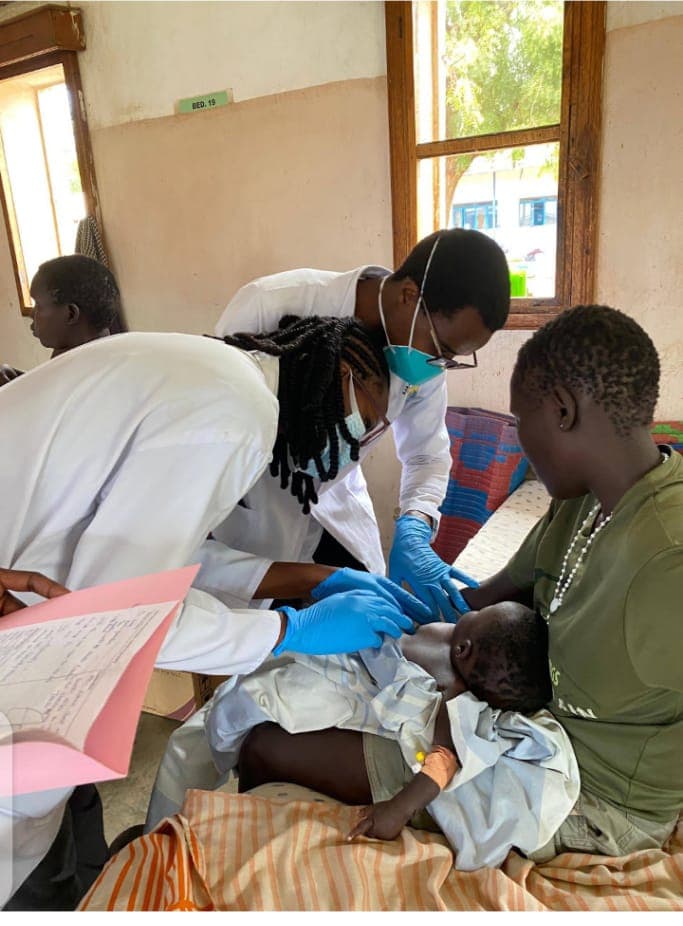
Across the underserved rural communities in Uganda; a woman who goes into labour may be several hours from a facility with a trained midwife, and with also poor roads. Mothers and their children only reach health facilities when the illness is already advanced. This is common in areas with few clinicians and health facilities. We hold mobile clinics in those rural communities, women and children are seen, reproductive diseases are examined and treated. Those with severe illnesses are referred to health facilities, those who need surgical treatments are booked for operations in an organized surgical camp.
Focus area 02
Reproductive health and rights
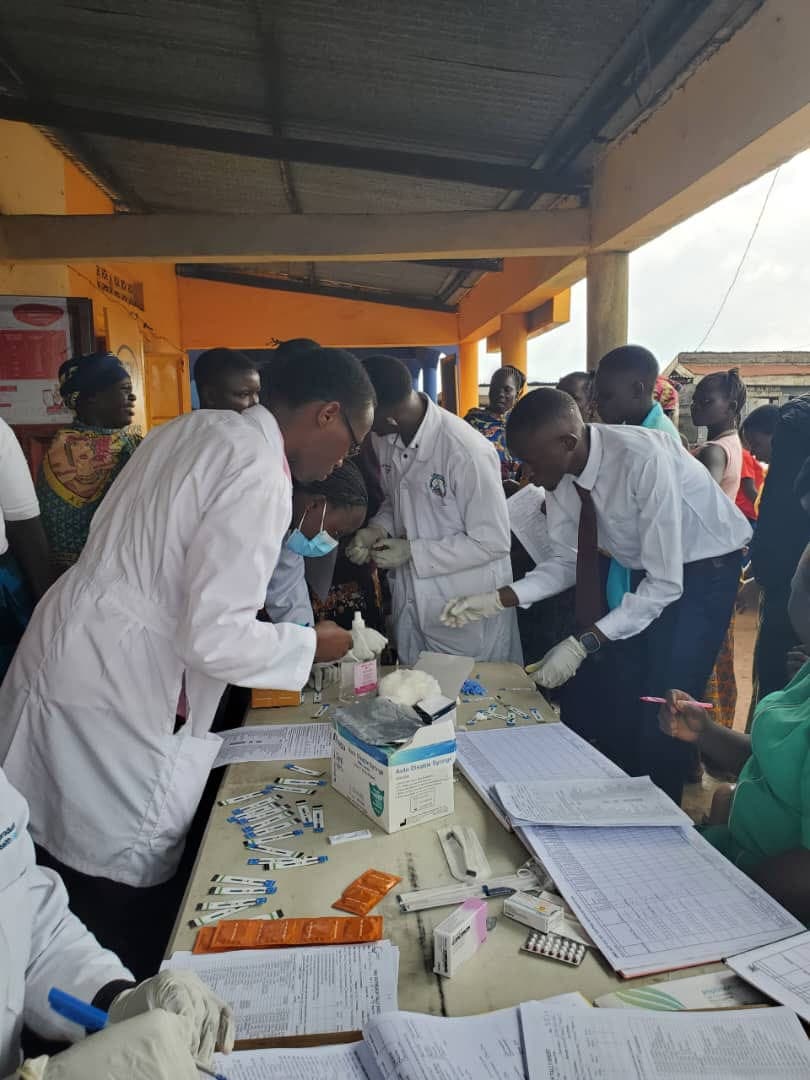
Our clinicians provide contraception and screening at every outreach, and they do it without interrogating the patient. We answer questions plainly, including the ones people are embarrassed to ask. We also provide family planning methods and when a method is not available; we provide information on where it can be accessed easily.
Focus area 03
Youth health and wellbeing
Most health information reaching young people arrives second-hand, from friends or from the internet, and much of it is wrong. Mental health is rarely discussed at all. A teenager who is unwell, pregnant, or being harmed frequently has nobody at school to tell.
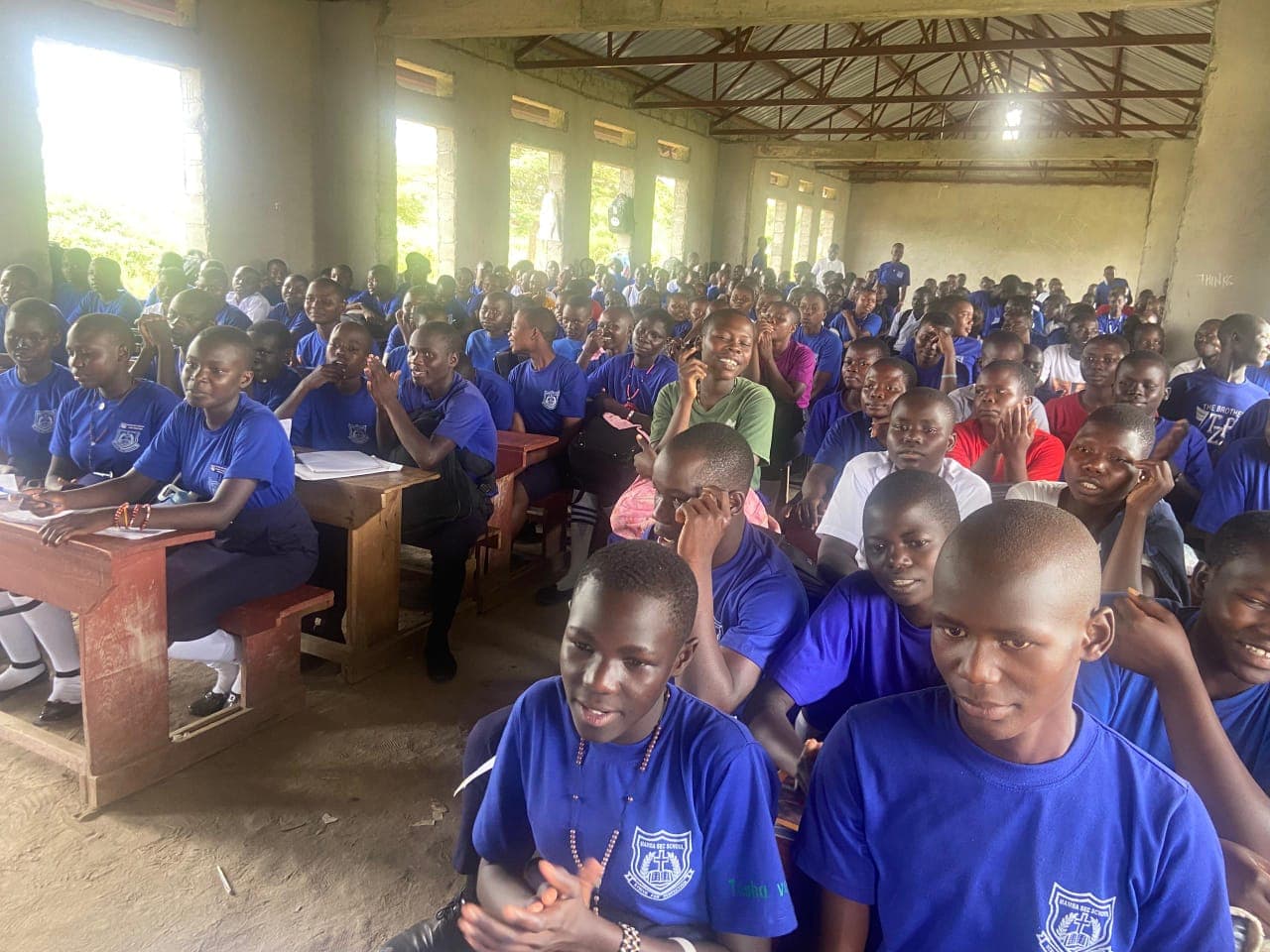
We run sessions in schools where teenagers can ask questions and get accurate answers. The talks cover puberty, contraception, substance use, and mental health, and they name where to go for help. Students who need care are seen afterwards, privately, rather than being told to report to a clinic they might not visit.
Focus area 04
Nutrition and food security
In most of Uganda malnutrition is not a question of whether food exists. Households that grow maize, beans, and bananas well can still raise a malnourished child. Cases are frequently spotted only once a child is physically affected.
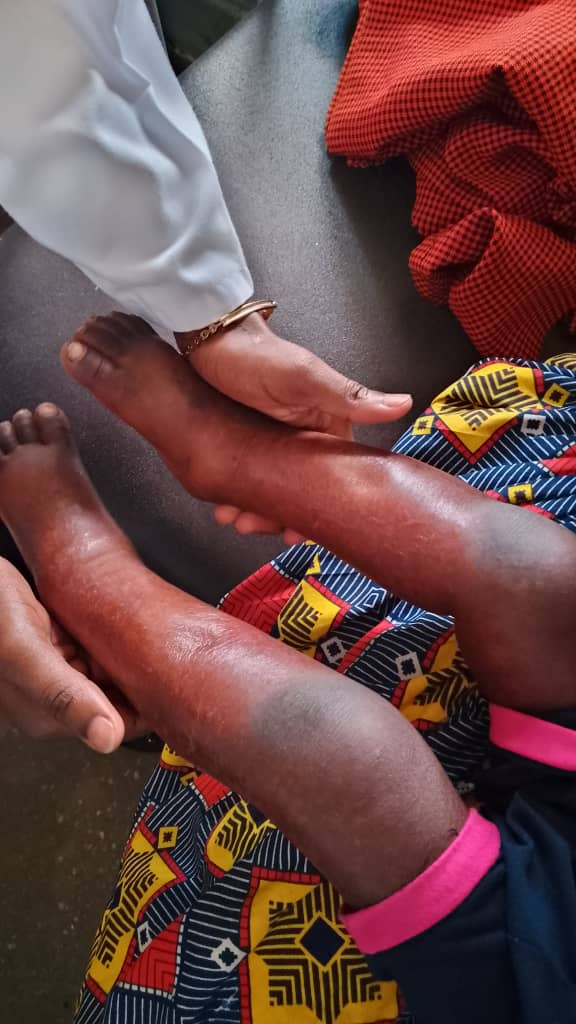
Clinicians and nutritionists do nutrition assessments. Those found malnourished are educated with their families on daily food components of a balanced diet and severe cases are referred to the hospital where they can be helped.
Focus area 05
Healthcare innovation and technology
A patient seen at an outreach in one district and again in another is usually a stranger both times. Paper registers stay in the box they were carried in. Without a record of the first visit, the second clinician starts from nothing and follow-up rarely happens. The further the two visits are apart, the worse it gets.
We keep our records digitally so that a patient's history travels between outreaches. The tools are chosen for the conditions they run in: usable on a phone, workable with intermittent power, and simple enough that a clinician can learn them between patients. Anything that needs a manual does not survive contact with a field clinic.
Support work like this?
Tell us what you fund or run, and we will tell you whether we are a fit.